 Business License

Why Pre-Welding Seam Rolling is the Secret to Flawless Harbor Sink Manufacturing
In premium kitchen sink manufacturing, especially for complex designs like harbor sinks (harbor basins), precision is everything. Every single step of the fabrication process directly impacts the next. If even one minor detail is compromised early on, it triggers a domino effect that ruins the final product's aesthetics and structural integrity.
When operating a harbor sink welding machine, manufacturers often face a critical question: Should you roll and press the seam before the welding torch ever touches the metal?
The answer is a definitive yes. If the seams do not fit together perfectly tight, the welding quality will inevitably suffer. Here is how addressing this bottleneck can transform your production line.
Stainless steel sheets can have minute irregularities after cutting and bending. When clamped for welding, micro-gaps or slight misalignments frequently occur. Attempting to weld through these unaligned seams leads to severe production defects: burn-throughs, weak structural joints, uneven beads, and excessive thermal warping. In the high-end sink market, these flaws result in costly reworks or scrapped materials.
To overcome this industry-wide challenge, our engineers looked outside heavy machinery for inspiration, finding it in the elegant, precise mechanical synchronization of the humble sewing machine.
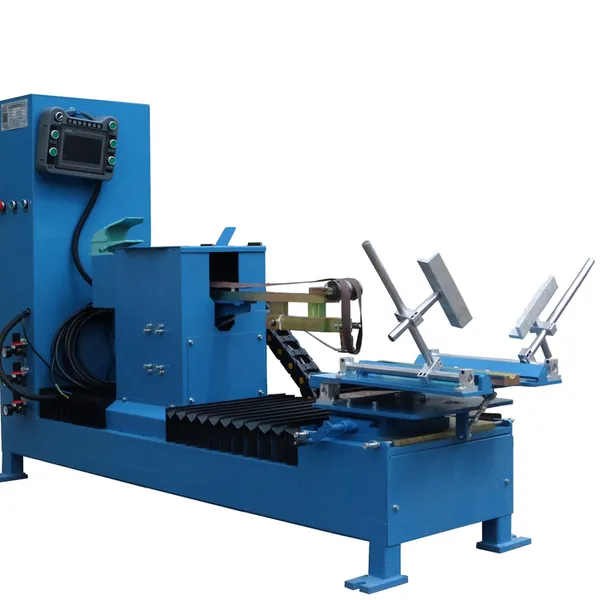
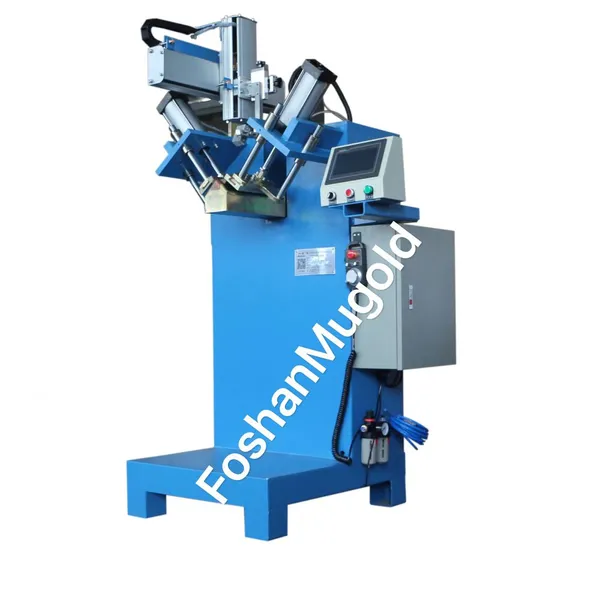
This led to the development of our S-Type Seam Rolling Machine. Just like a sewing machine flawlessly guides and aligns fabric right before the needle strikes, our machine provides a continuous, high-precision roll-pressing action that forces the stainless steel edges into a completely airtight, flush fitment immediately prior to welding. Furthermore, it operates as a dual-purpose powerhouse, performing post-weld rolling to flatten the seam and relieve thermal stress.Our S-Type machine delivers a complete, step-by-step quality guarantee for your harbor sink production line:
Phase 1: Pre-Weld Tightening. The roller smoothly locks the two joints together, completely eliminating micro-gaps. This ensures an ultra-stable arc during welding, yielding a uniform, flawless weld bead.
Phase 2: Post-Weld Roll Flattening. After welding, the stainless steel inevitably suffers from heat-induced distortion. The machine rolls the seam once more, flattening the raised bead and preparing it perfectly for a rapid, smooth polishing process.
Recently Posted
-
How Handmade Stainless Steel Sinks Are Crafted: From Raw Sheet to Precision Polish
July 24, 2026When it comes to high-end residential and heavy-duty commercial kitchens, handmade stainless steel sinks stand in a class of their Read More
 -
Vertical vs. Horizontal Box Grinders: How to Choose the Right Setup for Your Workshop
July 18, 2026When it comes to achieving a flawless finish on fabricated boxes, enclosures, or cabinets, one size definitely does not fit all. R Read More
 -
Choosing the Right Electrical Enclosure Welding Machine: Fixture-Stabilized vs. Horizontal Flexibili
July 13, 2026When it comes to manufacturing high-quality electrical enclosures and distribution boxes, welding is a critical stage that determi Read More
 -
Manual vs. Automatic Belt Grinding: How to Tackle Uneven Weld Seams
July 11, 2026Achieving a flawless, flat finish on welded metal surfaces is a common challenge in fabrication. While belt grinding is the go-to Read More

Contact Us
Recommended Products
-
 Long Belt Grinding and Polishing Wheel Machine For Sheet Metal ProductsNegotiableMOQ: 1 Set
 -
Galvanized Sheet Explosion-proof Box Corner Polishing Machine Enclosure Polishing MachineNegotiableMOQ: 1 Set
-
Stainless Steel Handmade Sink R Corner Press Machine Electrical Box R Corner Press MachineNegotiableMOQ: 1 Set
-
Stainless Steel Surface Polishing Machine Display Stand Surface Polishing Machine Kitchen Equipment Polishing MachineNegotiableMOQ: 1 Set
-
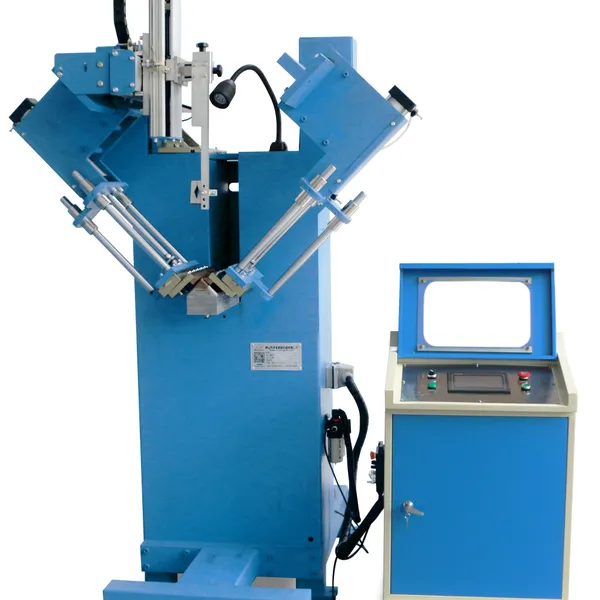
Automatic Welding Machine for Galvanized Sheet Box Corner Tig Argon Welding Machine for R0NegotiableMOQ: 1 Set
-
Stainless Steel Handmade Sink Hydraulic Power of Light Direct Press Sink Press MachineNegotiableMOQ: 1 Set
-
Sheet Metal Polishing Machine For Aluminum Flat PlatesNegotiableMOQ: 1 Set
-
Middle Seam Rolling Machine For Double Plates Stainless Steel Plates Weld Seam Rolling MachineNegotiableMOQ: 1 Set
-
Polishing The Surface Of The Brand Display Stand Commercial Kitchen Equipment Polishing MachineNegotiableMOQ: 1 Set
-
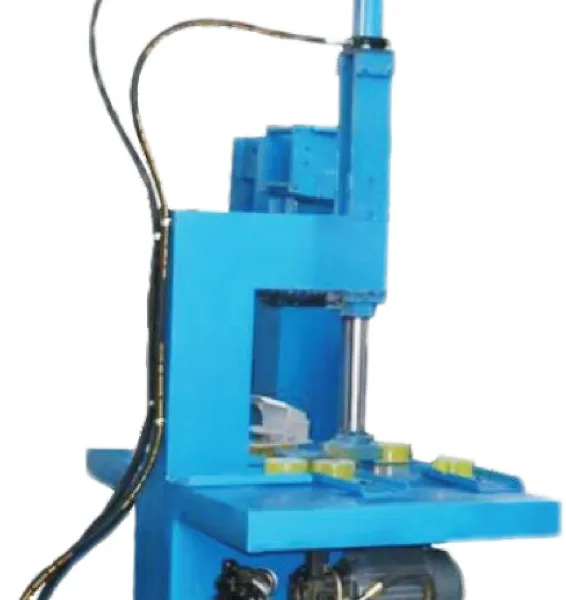
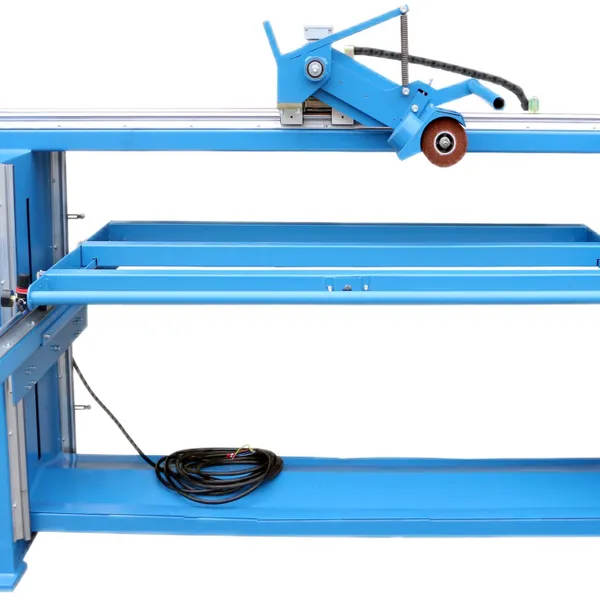
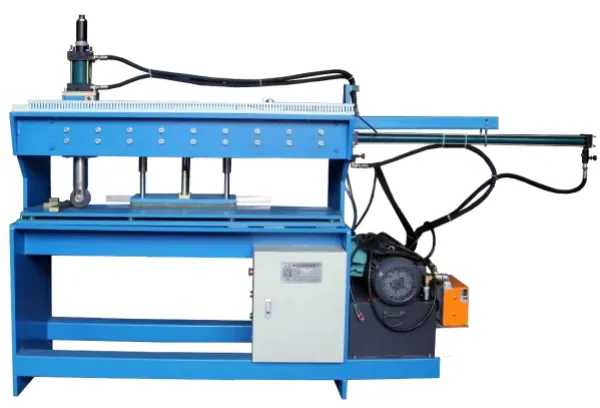
Hydraulic Pressure Rolling Machine For R Corner of Stainless Steel EnclosureNegotiableMOQ: 1 Set
-
Double Belt Grinding Machine For Sheet Metal Joint Plates Stainless Steel Commercial Sink Grinding MachineNegotiableMOQ: 1 Set
-
Four-axis Welding Machine for Commercial Sink Panel and Bowl Hotel Sink Production LineNegotiableMOQ: 1 Set
-
MG307 Automatic Polishing Machine For Stainless Steel Enclosure SurfaceNegotiableMOQ: 1 Set
-
Stainless Steel Kitchen Sink R-Angle Corner Seam Welding Machine Electical Cabinets Welding MachineNegotiableMOQ: 1 Set
-
Stainless Steel Kitchen Sink Middle Button Seam Welding MachineNegotiableMOQ: 1 Set
-
Stainless Steel Kitchen Hoods Surface Polishing Machine Foshan Polishing Machine ManufacturerNegotiableMOQ: 1 Set
-
MG301 PLC Control Grinding Machine For Stainless Steel Kitchen Sink CornerNegotiableMOQ: 1 Set
-
Iron Square Pipes Polishing Machine Stainless Steel Plates Polishing MachineNegotiableMOQ: 1 Set
-
Sheet Metal Electrical Box Radius Corner Rolling MachineNegotiableMOQ: 1 Set
-
Semi-automatic Stainless Steel Square Handmade Sink Edges Bending MachineNegotiableMOQ: 1 Set