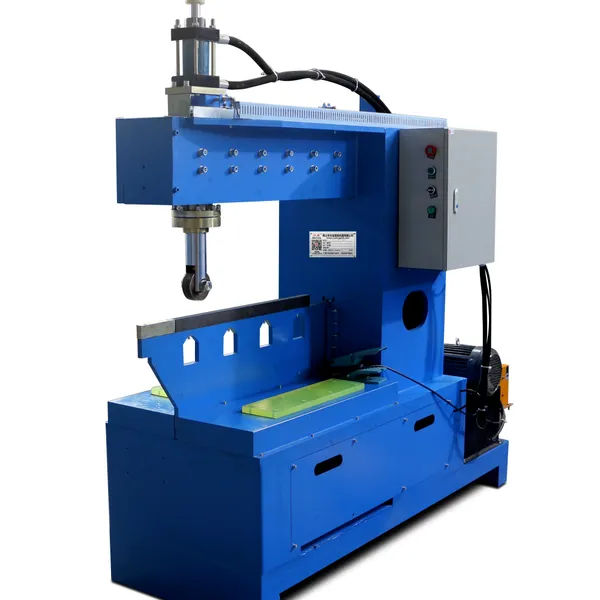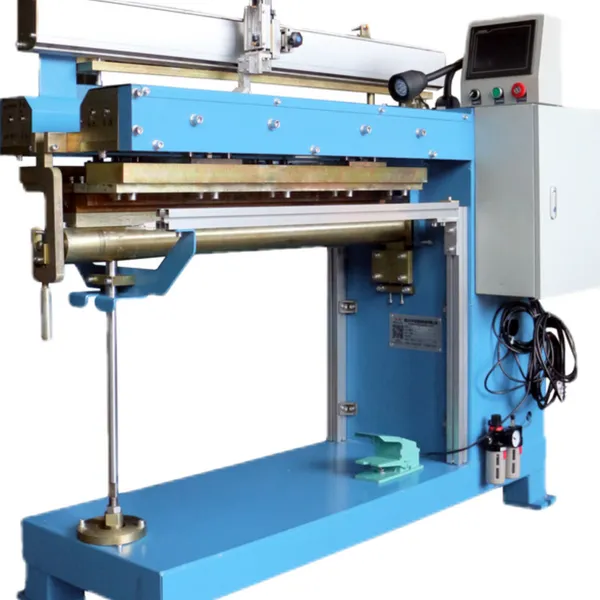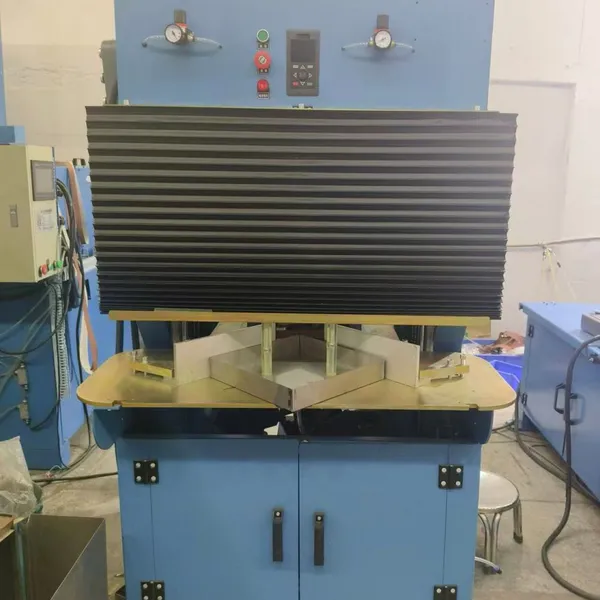
 Business License

Choosing the Right Electrical Enclosure Welding Machine: Fixture-Stabilized vs. Horizontal Flexibili
When it comes to manufacturing high-quality electrical enclosures and distribution boxes, welding is a critical stage that determines both structural integrity and aesthetic appeal. However, sheet metal fabricators often face a classic dilemma: How do you balance precise deformation control with production flexibility?
To solve this, modern electrical box welding machines generally fall into two distinct categories under the same family. While both are engineered to deliver robust welds, their operational philosophies and technical strengths are completely different.
Here is a deep dive into these two powerhouses to help you identify the perfect fit for your production line.
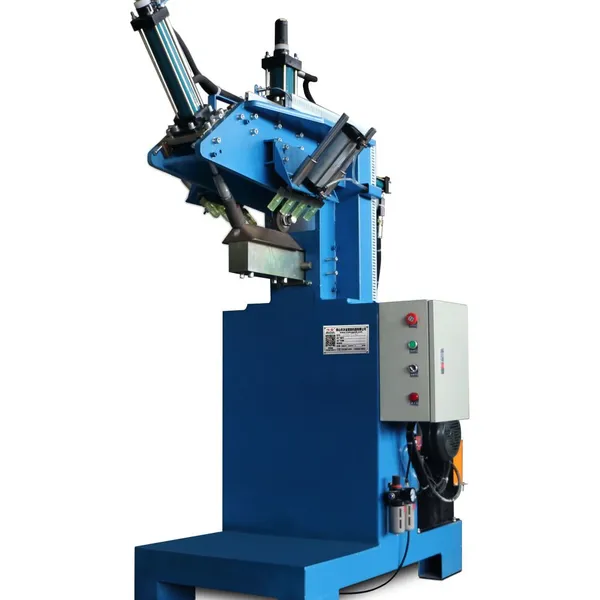
Best for: High-precision, zero-discoloration, and strict deformation control.
Designed specifically for vertical welding of side and bottom corners (including various flanged edges), this category relies on customized matching molds and heavy-duty fixtures. While it requires changing molds to match different enclosure dimensions, its structural and aesthetic benefits are unmatched.
Zero Internal Blackening (Anti-Discoloration): High-temperature welding typically leaves ugly black oxidation marks on inner corners. This machine integrates an advanced Argon gas purging shielding system. The continuous gas flow protects the inner corner from oxygen, ensuring a clean, bright finish that eliminates the need for secondary grinding or chemical cleaning.
Ultimate Deformation Control: Thin-sheet electrical boxes are highly susceptible to thermal distortion during preheating and welding. The heavy-duty mechanical clamping fixtures physically lock the workpiece in place. By absorbing and counteracting thermal stress, it minimizes warpage and keeps the enclosure perfectly square.
The Trade-off: Requires dedicated mold sets sized to your specific box dimensions, making it ideal for standardized, high-volume production runs where aesthetics and structural precision are non-negotiable.
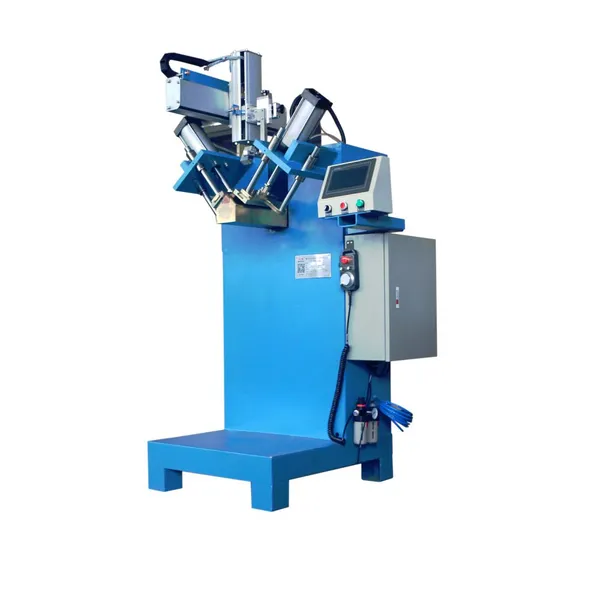
Best for: Multi-size batching, rapid product switching, and maximum geometric versatility.
If your workshop handles a massive variety of enclosure sizes daily, the Horizontal Welding Machine is your ultimate tool. Operating without rigid fixtures or heavy internal gas shielding systems, this machine redefines operational freedom.
360° Geometric Flexibility: A single machine can seamlessly transition from welding side seams to bottom corners without stopping for mold changes. It adapts instantly to varying depths, widths, and complex flanged profiles.
Rapid Setup & High Throughput: Without the downtime associated with swapping and aligning physical clamps, your operators can load, weld, and unload diverse parts in rapid succession. It significantly shortens lead times for custom or low-volume, high-mix orders.
The Trade-off: Because it lacks physical constraint fixtures and internal shielding gas, operators must manage thermal input carefully to control deformation, and inner corners may require post-weld cleaning.
There is no single "best" machine—only the right machine for your specific workflow. If your goal is premium, retail-ready electrical boxes with flawless inner corners and zero warping, investing in a Vertical Fixture-Stabilized Machine will save you hours of post-weld reworking. However, if your business thrives on agility, custom dimensions, and fast turnarounds, the Horizontal Flexible Machine will give you the competitive edge you need.
Recently Posted
-
How Handmade Stainless Steel Sinks Are Crafted: From Raw Sheet to Precision Polish
July 24, 2026When it comes to high-end residential and heavy-duty commercial kitchens, handmade stainless steel sinks stand in a class of their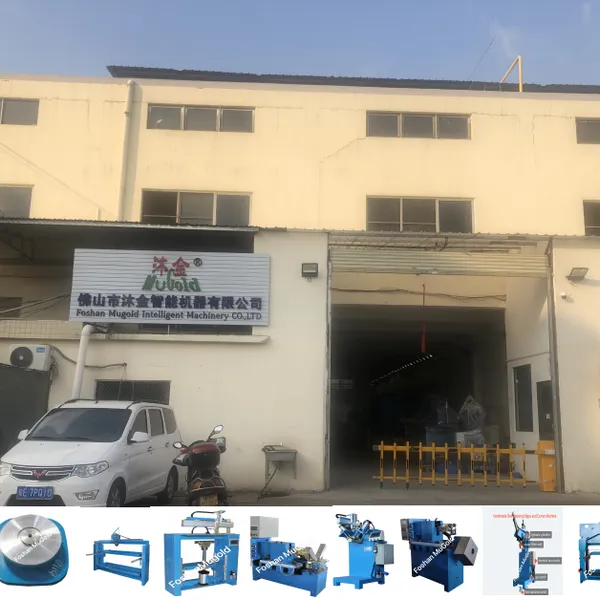 Read More
 -
Vertical vs. Horizontal Box Grinders: How to Choose the Right Setup for Your Workshop
July 18, 2026When it comes to achieving a flawless finish on fabricated boxes, enclosures, or cabinets, one size definitely does not fit all. R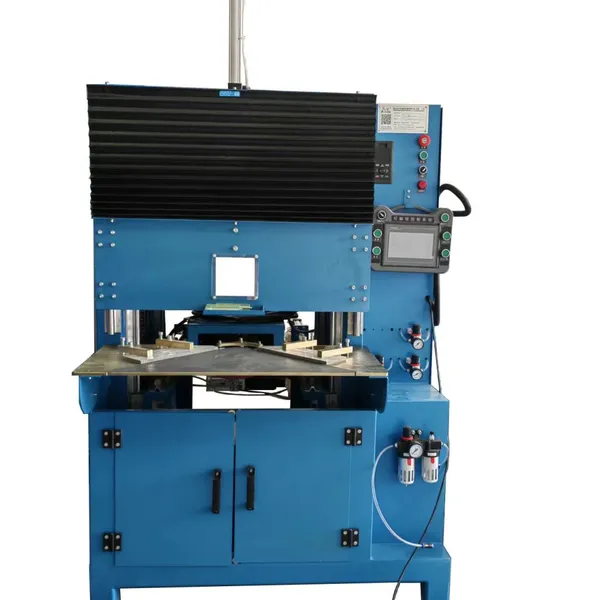 Read More
 -
Manual vs. Automatic Belt Grinding: How to Tackle Uneven Weld Seams
July 11, 2026Achieving a flawless, flat finish on welded metal surfaces is a common challenge in fabrication. While belt grinding is the go-to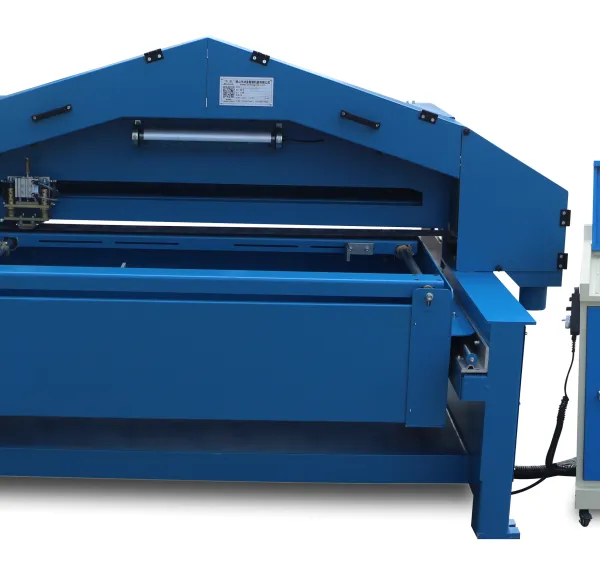 Read More
 -
The Secret to Perfect Handmade Sink Radii: Cutting Time and Consumables
July 10, 2026For manufacturers of premium handmade stainless steel sinks, perfection is in the details. But any worker on the shop floor will t Read More

Contact Us
Recommended Products
-
 Big Aluminum Plates Polishing Machine Kitchen Cabinet Polishing Machine Automatic Polishing MachineNegotiableMOQ: 1 Set
 -
Semi-Automatic Stainless Steel Handmade Kitchen Sink Surface Polishing MachineNegotiableMOQ: 1 Set
-
Automatic Polishing Machine for Kitchen Plates Hairline Finish Machine for Aluminum Box Flat SurfaceNegotiableMOQ: 1 Set
-
Automatic Polishing Machine For Stainless Steel Furniture Frame Surface Metal Enclosure Polishing MachineNegotiableMOQ: 1 Set
-
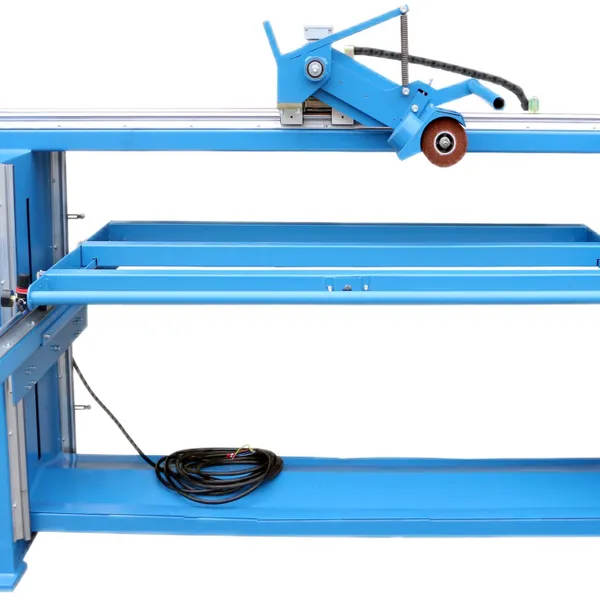
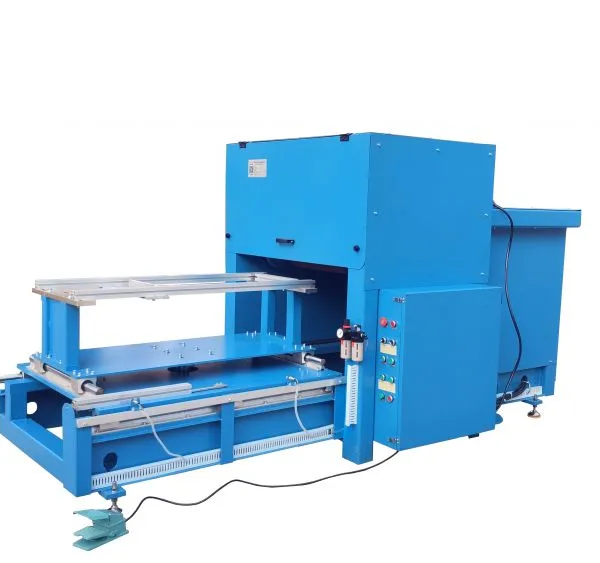
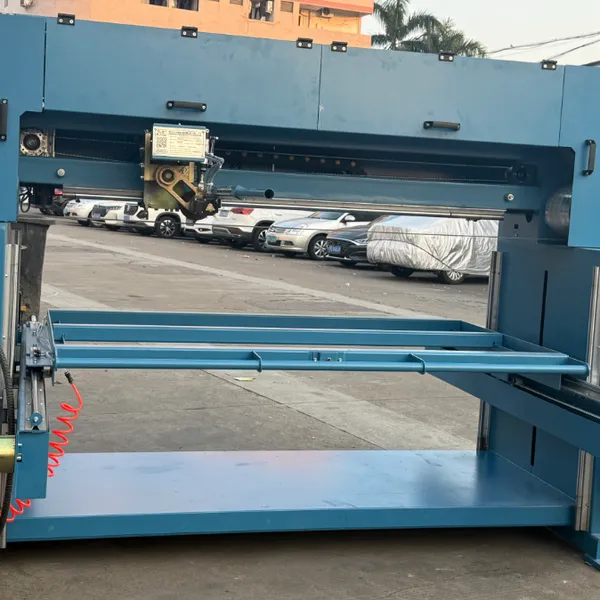
Automatic Stainless Steel Kitchen Sink Surface Polishing Machine Electrical Enclosure Surface Grinding Machine No.4 Finish Polishing MachineNegotiableMOQ: 1 Set
-
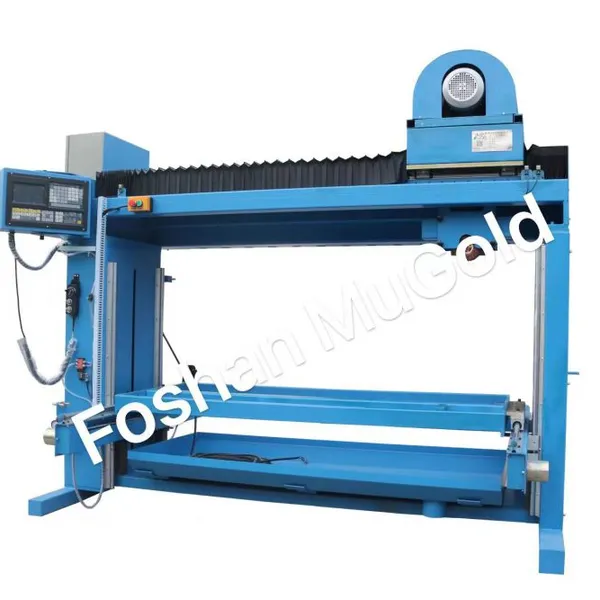
Stainless Steel 4-Axis Plane Pull Welding Machine Kitchen Sink Top and Bowl Welding Machine 90 Degree Welding Machine for Box Top and BowlNegotiableMOQ: 1 Set
-
Stainless Steel Handmade Sink Corner Punching MachineNegotiableMOQ: 1 Set
-
Stainless Steel Enclosure Grinding and Polishing Machine Two Functions Polishing MachineNegotiableMOQ: 1 Set
-
Automatic Welding of Galvanized Sheet Boxes Aluminum Box Welding Machine 90 Degree Welding MachineNegotiableMOQ: 1 Set
-
Kitchen Cabinet Surface Polishing Machine Stainless Steel Box Polishing Machine Aluminum Plates Polishing MachineNegotiableMOQ: 1 Set
-
Automatic Stainless Steel Plane Drawing MachineNegotiableMOQ: 1 Set
-
Handmade Stainless Steel Kitchen Sink Drain Hole Radius Box MoldNegotiableMOQ: 10 Sets
-
Vertical Grinding Machine for Stainless Steel Electrical Box CornerNegotiableMOQ: 1 Set
-
Stainless Steel Kitchen Sink Automatic Long Belt Grinding MachineNegotiableMOQ: 1 Set
-
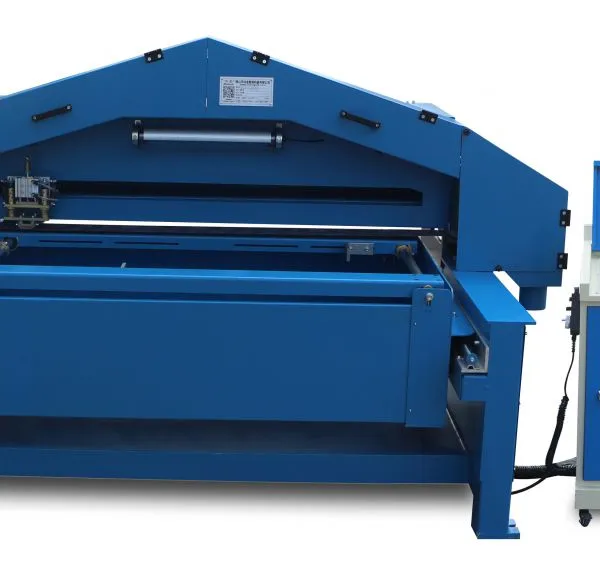
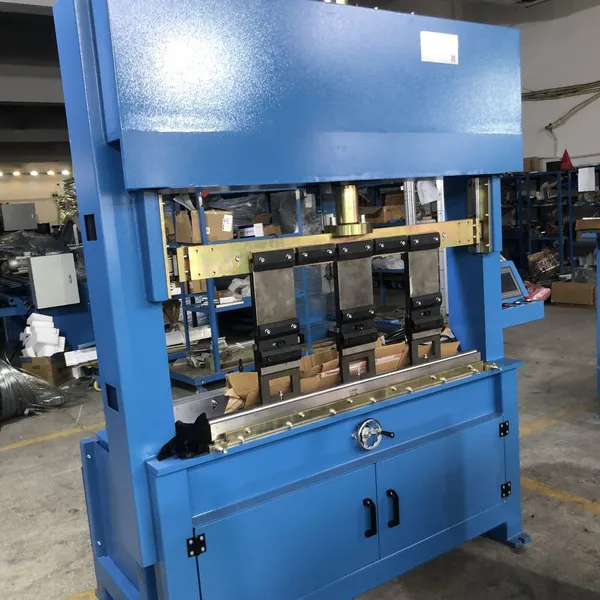
Stainless Steel Kitchen Sink Edges Bending Machine 304 Simple Bending MachineNegotiableMOQ: 1 Set
-
Stainless Steel Double Kitchen Sink Middle Weld Seam Rolling Machine Straight Line Rolling MachineNegotiableMOQ: 1 Set
-
Punching Machine For Stainless Steel Corner Kitchen Handmade Sink Making MachineNegotiableMOQ: 1 Set
-
PLC Control Welding Machine For Stainless Steel Square Box CornerNegotiableMOQ: 1 Set
-
Automatic Welding Machine For Stainless Steel Flower Box PlatesNegotiableMOQ: 1 Set
-
The Sheet Metal Corner Grinding Machine Stainless Steel Scale Pan Corner Grinding MachineNegotiableMOQ: 1 Set