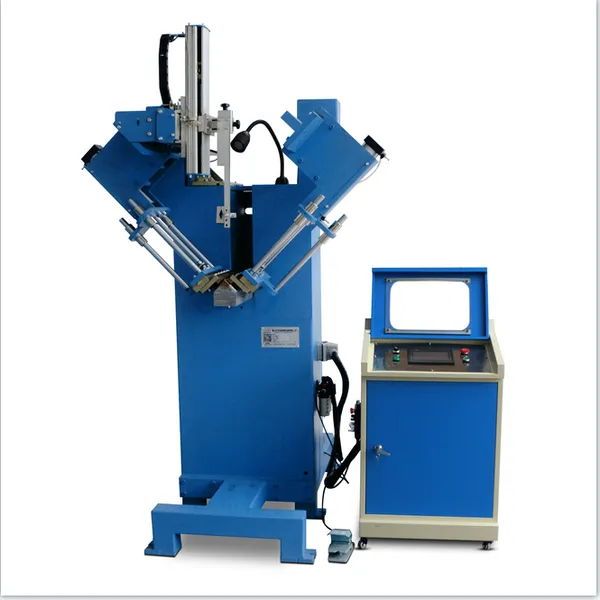
 Business License

Manual vs. Automatic Belt Grinding: How to Tackle Uneven Weld Seams
Achieving a flawless, flat finish on welded metal surfaces is a common challenge in fabrication. While belt grinding is the go-to method for surface finishing, the real question is: Should you go manual or automatic?
The answer depends entirely on the condition of your weld seams. Here is how to combine manual precision with automatic efficiency to get the best results.
If your product has inconsistent weld beads, high spots, or heavy weld reinforcement, jumping straight to an automatic grinding machine can lead to uneven abrasive wear or skipping.
The Winning Strategy: Pre-grind Manually, Finish Automatically
For heavily raised or unpredictable welds, a hybrid approach works best:
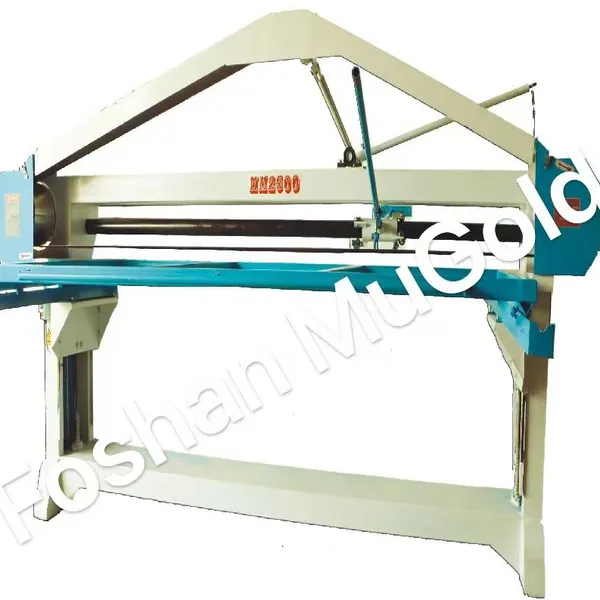
Step 1: Manual Rough Grinding: Use a manual belt grinder first. A skilled operator can feel the high points, adjust pressure on the fly, and quickly knock down the heavy, uneven parts of the weld seam until it is relatively flush with the base metal.
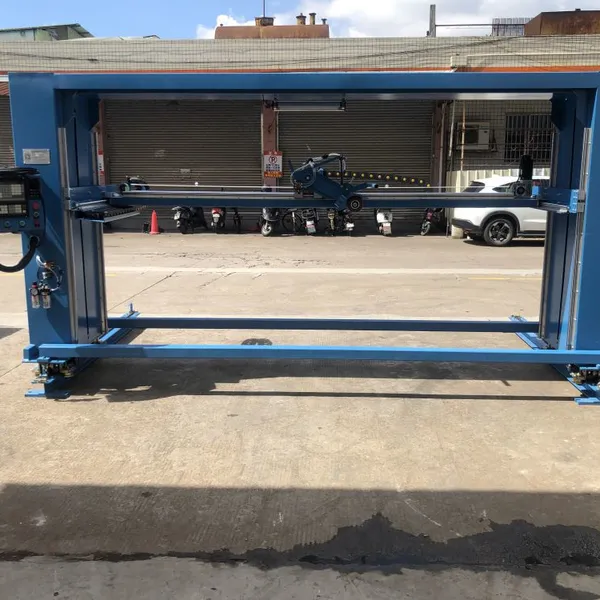
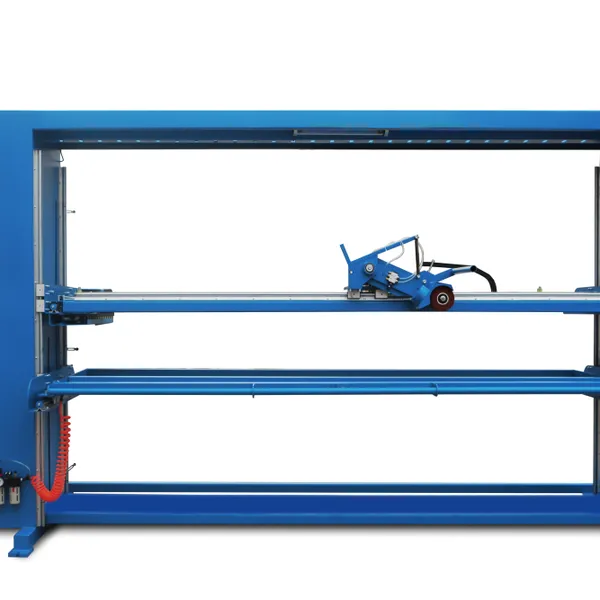
Step 2: Automatic Finishing: Once the major irregularities are removed, pass the product through the automatic belt grinding machine. The machine will deliver a perfectly consistent, uniform grain pattern across the entire flat surface.
If your welding process is highly controlled (such as robotic or automated welding) and the seams are already flat and uniform, you can skip the manual labor entirely.
The Winning Strategy: 100% Automatic Belt Grinding
Consistency at Scale: Automatic machines apply identical pressure, speed, and angles across the entire surface.
Flawless Uniformity: For uniform welds, automatic grinding ensures that the finish is perfectly even from the first piece to the last, drastically reducing rejection rates and boosting throughput.
Summary Tip: Treat manual belt grinding as your "problem solver" for rough, unpredictable areas, and automatic belt grinding as your "standardizer" for high-volume, uniform perfection. Matching the tool to the seam condition is the secret to reducing abrasive costs and achieving a premium surface finish.
Recently Posted
-
How Handmade Stainless Steel Sinks Are Crafted: From Raw Sheet to Precision Polish
July 24, 2026When it comes to high-end residential and heavy-duty commercial kitchens, handmade stainless steel sinks stand in a class of their Read More
 -
Vertical vs. Horizontal Box Grinders: How to Choose the Right Setup for Your Workshop
July 18, 2026When it comes to achieving a flawless finish on fabricated boxes, enclosures, or cabinets, one size definitely does not fit all. R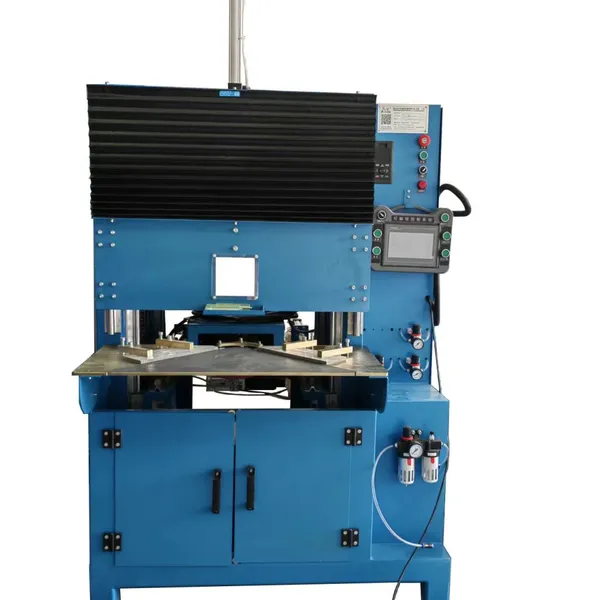 Read More
 -
Choosing the Right Electrical Enclosure Welding Machine: Fixture-Stabilized vs. Horizontal Flexibili
July 13, 2026When it comes to manufacturing high-quality electrical enclosures and distribution boxes, welding is a critical stage that determi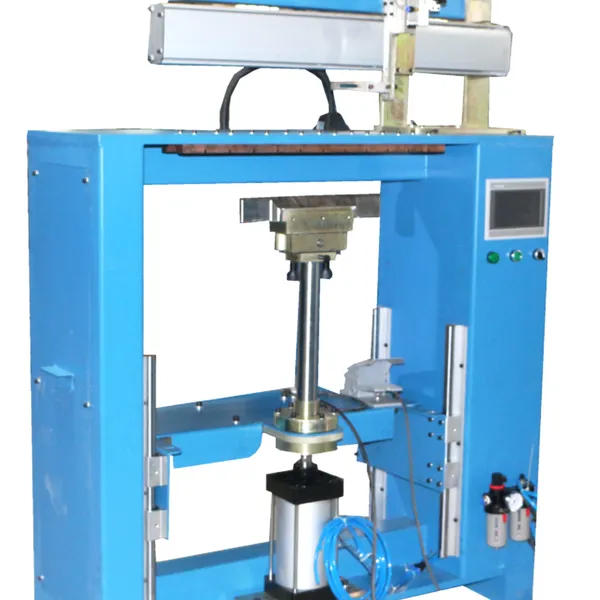 Read More
 -
The Secret to Perfect Handmade Sink Radii: Cutting Time and Consumables
July 10, 2026For manufacturers of premium handmade stainless steel sinks, perfection is in the details. But any worker on the shop floor will t Read More

Contact Us
Recommended Products
-
 Automatic Stainless Steel Kitchen Handmade Sink Edge Pressing MachineNegotiableMOQ: 1 Set
 -
Stainless Steel Flange Sink Corner Seam Rolling Machine Big Wheel Rolling Machine for Kitchen SinkNegotiableMOQ: 1 Set
-
Stainless Steel Plates Rolling Machine Automatic Rolling Machine MG262 Sink Plates Rolling MachineNegotiableMOQ: 1 Set
-
Stainless Steel Giant Control Box Surface Polishing MachineNegotiableMOQ: 1 Set
-
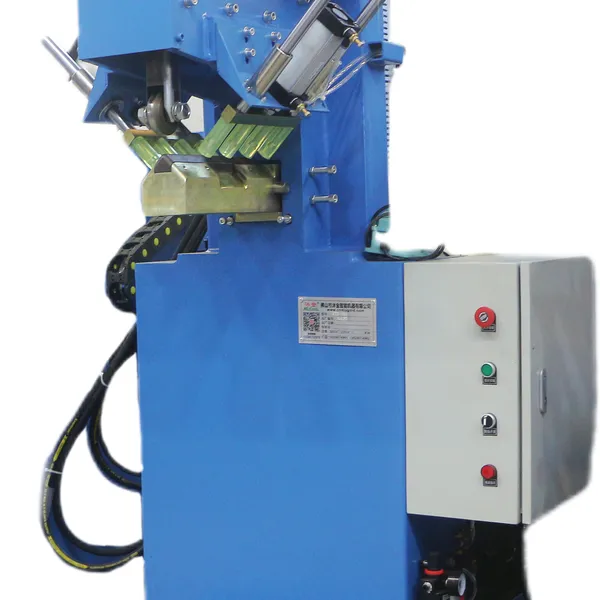
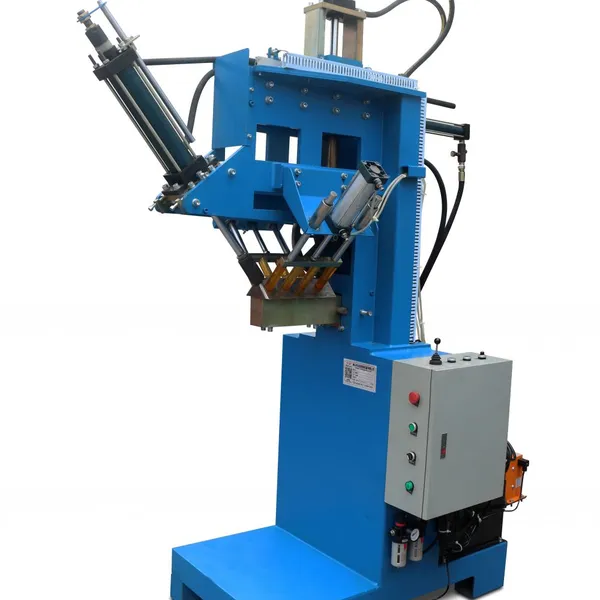
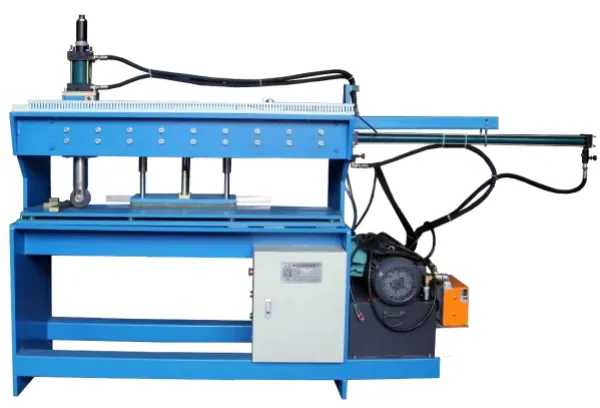
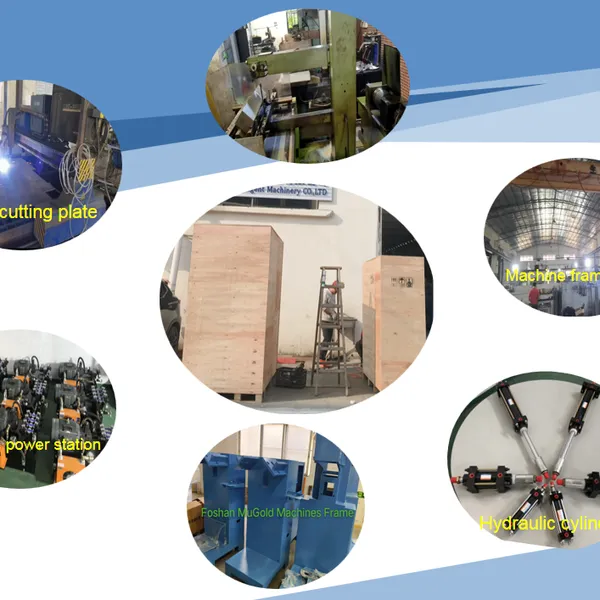
Hydraulic Pressure For Stainless Steel Sink Corner How To Make Handmade Sink 304 SS Wash Tank Production LineNegotiableMOQ: 1 Set
-
Semi-automatic Polishing Machine for Stainless Steel Enclosure How to Make Beautiful Surface by Polishing MachineNegotiableMOQ: 1 Set
-
Automatic Welding Machine for Stainless Steel Electrical Box EdgesNegotiableMOQ: 1 Set
-
Handmade Stainless Steel Kitchen Sink One-Eighth Sink Corner Pressing MoldNegotiableMOQ: 1 Set
-
Welding Machine For Kitchen Sink Bowl Corner Stainless Steel Box R10 Welding MachineNegotiableMOQ: 1 Set
-
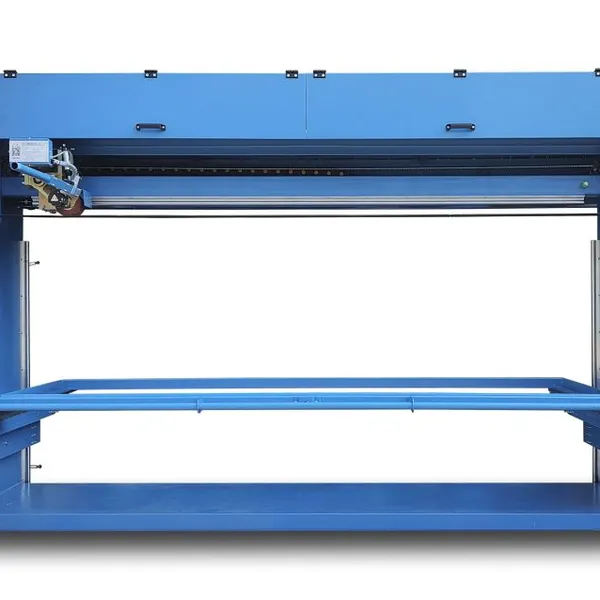
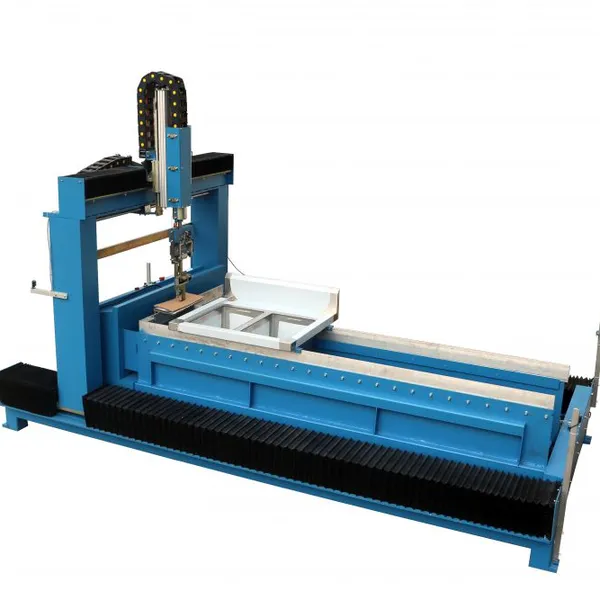
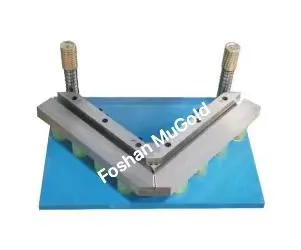
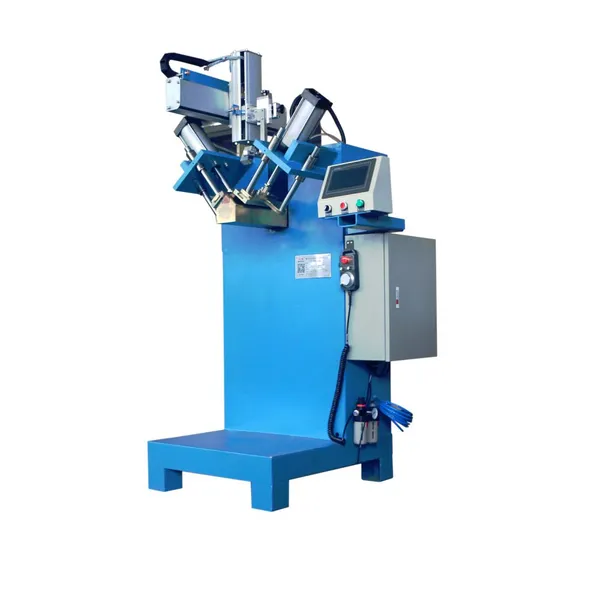
CNC Welding Machine For Stainless Steel Handmade Sink Top And BowlNegotiableMOQ: 1 Set
-
Hydraulic Pressure Rolling Machine of The Weld Seam of the Sheet Metal Spliced PlatesNegotiableMOQ: 1 Set
-
Stainless Steel Heavy Box Polishing Semi-Automatic Polishing Machine Flat Polishing MachineNegotiableMOQ: 1 Set
-
Stainless Steel Weighing Plate Corner Polishing Machine Radius Corner Polishing MachineNegotiableMOQ: 1 Set
-
Stainless Steel Electrical Box Corner Grinding Machine R0 Corner Grinding Machine Enclosure Corner Grinding MachineNegotiableMOQ: 1 Set
-
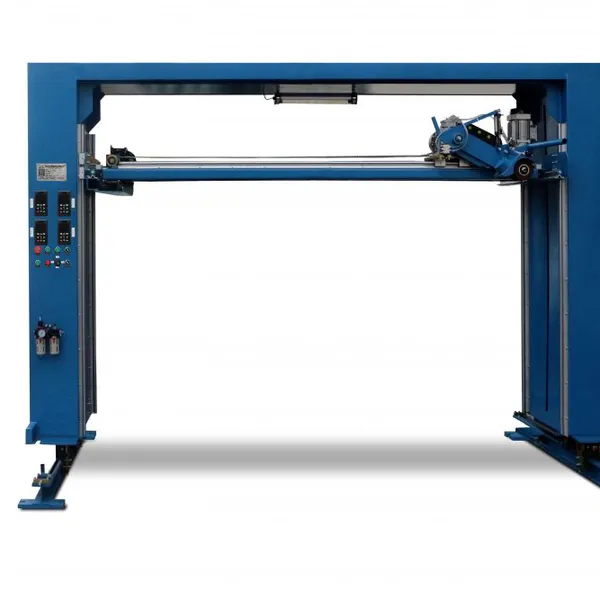
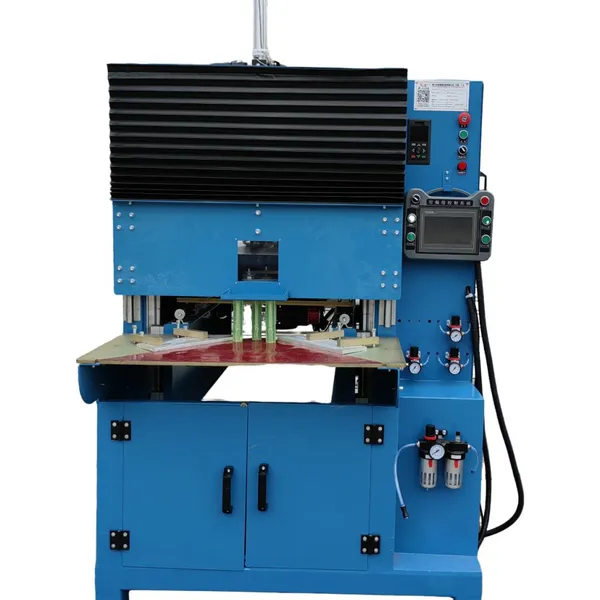
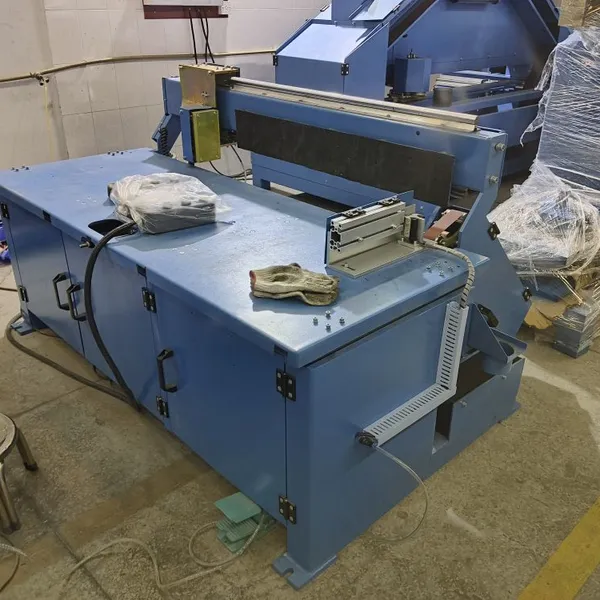
Stainless Steel Box Radius Corner Rolling Machine Kitchen Sink Punching MachineNegotiableMOQ: 1 Set
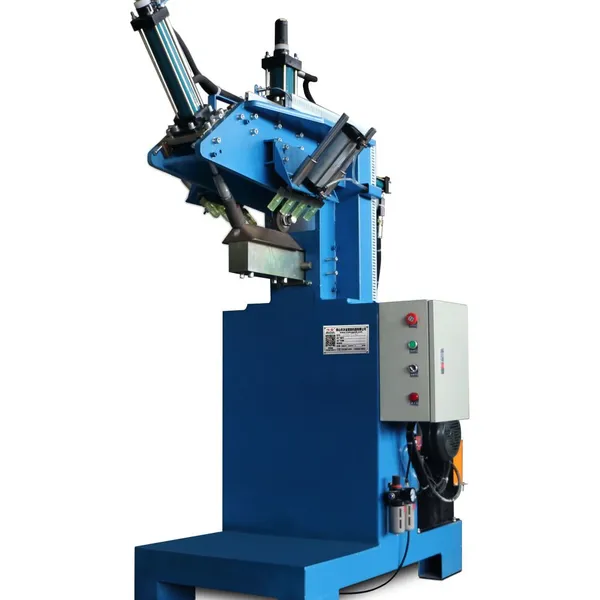
-
Simple Press Brake For Stainless Steel Handmade Sink EdgesNegotiableMOQ: 1 Set
-
CNC Stainless Steel Polishing Machine for Large and Heavy CabinetNegotiableMOQ: 1 Set
-
Semi-Automatic Stainless Steel Kitchen Sink Grinding MachineNegotiableMOQ: 1 Set
-
Mild Steel Cabinet Surface Polishing Machine Outside Furniture Surface Polishing MachineNegotiableMOQ: 1 Set
-
Stainless Steel Kitchen Sink Corner Laser Welding MachineNegotiableMOQ: 1 Set