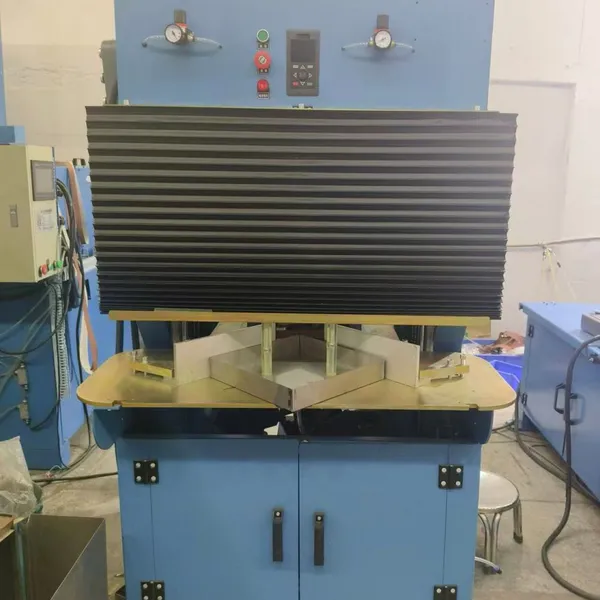
 Business License

The Ultimate 3-Axis Multi-Mode Finishing Machine: Combining Long Belts and Polishing Wheels for Perf
In modern sheet metal fabrication, production demands change by the hour. One job might require high-volume, fully automated processing for consistent surface grains. The next might be a low-volume, high-value custom enclosure requiring careful, manual touch-ups by a skilled craftsman.
Investing in multiple specialized machines eats up floor space and capital. What if one machine could handle it all?
Introducing our 3-Axis Multi-Mode Grinding and Hairline Finishing Machine—a PLC-programmed powerhouse engineered to transition seamlessly from heavy surface grinding to ultra-fine cosmetic repairs on sheet metal products.
Surface preparation requires different tools for different stages. Our machine integrates two essential finishing tools into one flexible system:
1.The Long Sanding Belt: Perfect for heavy-duty grinding, weld blending, removing surface defects, and drawing a continuous, flawless linear (hairline/satin) finish over large areas.
2.The Polishing Wheel: Specifically designed for fine repair, edge deburring, and detailed conditioning, ensuring your stainless steel or aluminum parts achieve a premium finish.
Driven by an intuitive, programmable PLC system, this machine adapts entirely to your workflow. Operators can choose from three distinct modes based on the geometry and volume of the workpiece:
1. Fully Automatic Mode (True 3-Axis CNC Style):For high-efficiency production runs, program the X, Y, and Z axes via the PLC. The machine autonomously controls the horizontal movement (X/Y) and the precise down-feed pressure (Z-axis) to deliver perfectly uniform finishes across entire batches with zero human variance.
2. Semi-Automatic Mode:Enjoy the benefits of automation where it matters most. You can lock specific axes (like letting the Z-axis automatically maintain uniform pressure) while taking over others to guide the process dynamically.
3. Fully Manual Mode:Need to perform intricate, targeted touch-ups or repair small surface flaws on complex parts? Simply switch off the X and Y automatic travel. The operators can manually guide the table and machine head, relying on tactile feedback for ultimate custom control.
Recently Posted
-
How Handmade Stainless Steel Sinks Are Crafted: From Raw Sheet to Precision Polish
July 24, 2026When it comes to high-end residential and heavy-duty commercial kitchens, handmade stainless steel sinks stand in a class of their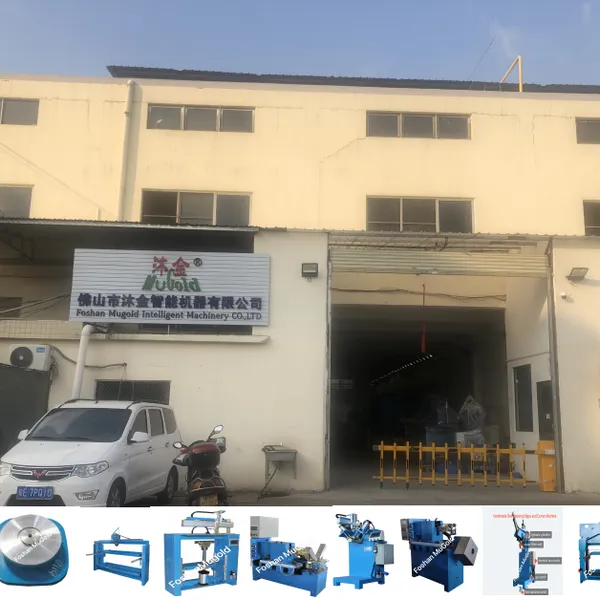 Read More
 -
Vertical vs. Horizontal Box Grinders: How to Choose the Right Setup for Your Workshop
July 18, 2026When it comes to achieving a flawless finish on fabricated boxes, enclosures, or cabinets, one size definitely does not fit all. R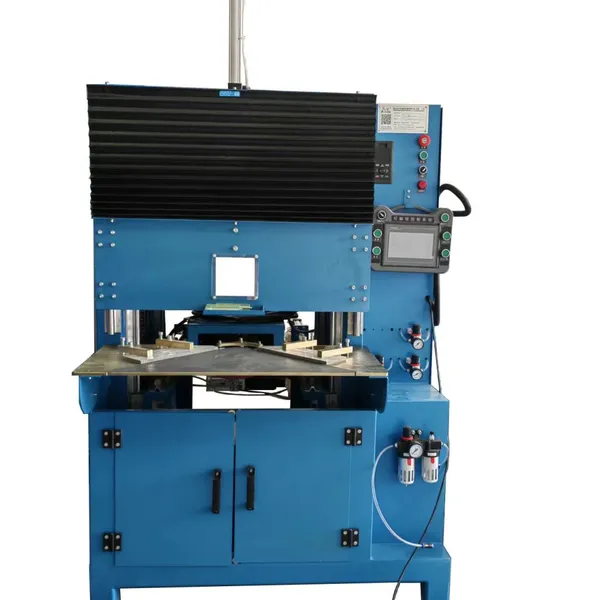 Read More
 -
Choosing the Right Electrical Enclosure Welding Machine: Fixture-Stabilized vs. Horizontal Flexibili
July 13, 2026When it comes to manufacturing high-quality electrical enclosures and distribution boxes, welding is a critical stage that determi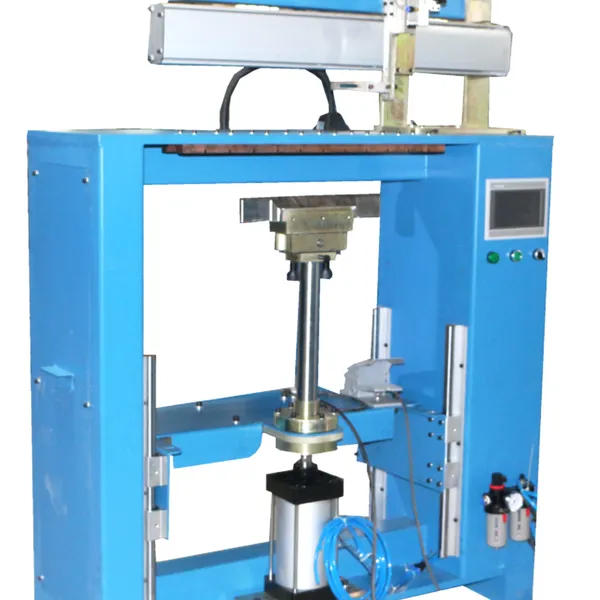 Read More
 -
Manual vs. Automatic Belt Grinding: How to Tackle Uneven Weld Seams
July 11, 2026Achieving a flawless, flat finish on welded metal surfaces is a common challenge in fabrication. While belt grinding is the go-to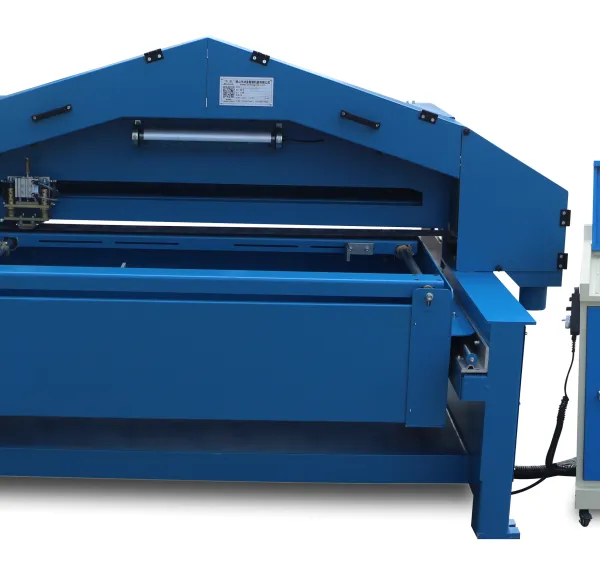 Read More

Contact Us
Recommended Products
-
 Big Aluminum Plates Polishing Machine Kitchen Cabinet Polishing Machine Automatic Polishing MachineNegotiableMOQ: 1 Set
 -
Semi-Automatic Stainless Steel Handmade Kitchen Sink Surface Polishing MachineNegotiableMOQ: 1 Set
-
Automatic Polishing Machine for Kitchen Plates Hairline Finish Machine for Aluminum Box Flat SurfaceNegotiableMOQ: 1 Set
-
Automatic Polishing Machine For Stainless Steel Furniture Frame Surface Metal Enclosure Polishing MachineNegotiableMOQ: 1 Set
-
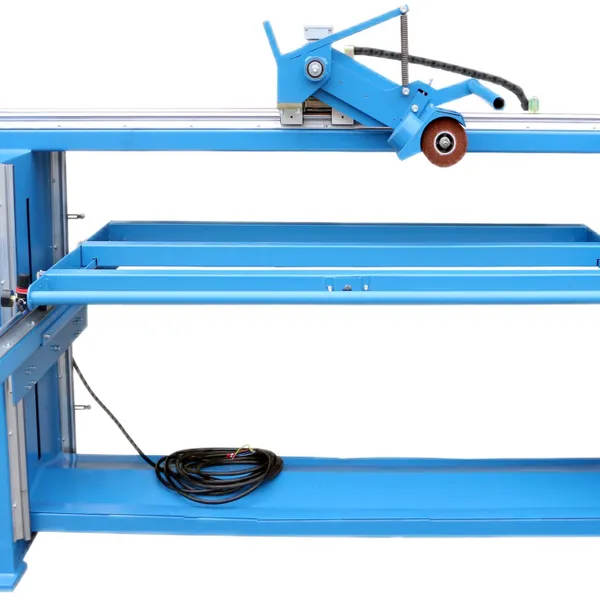
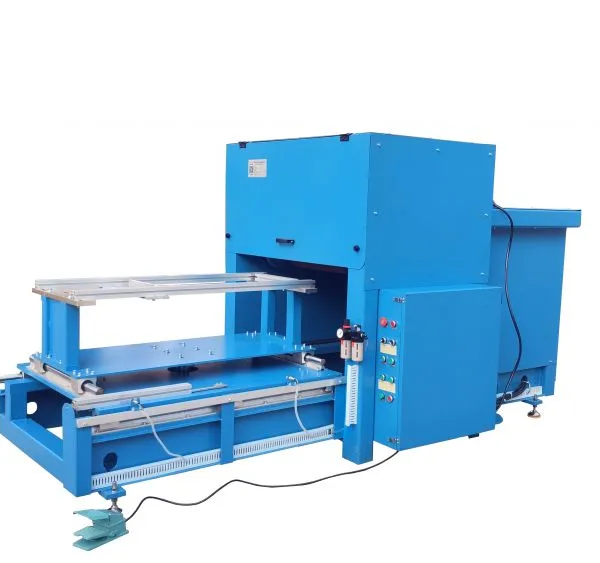
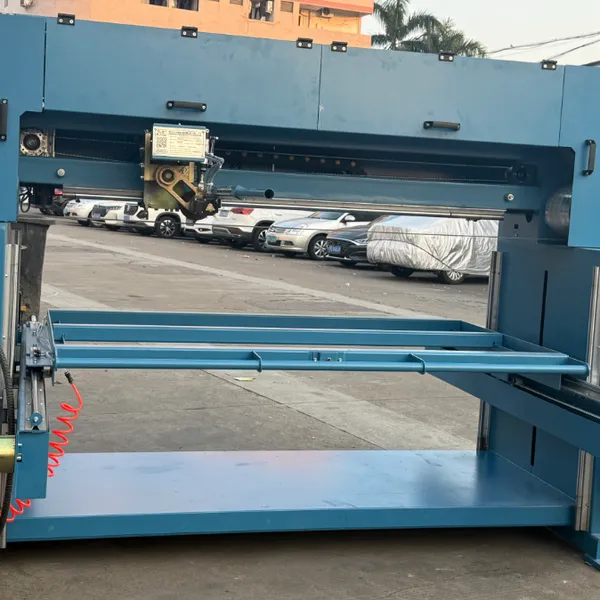
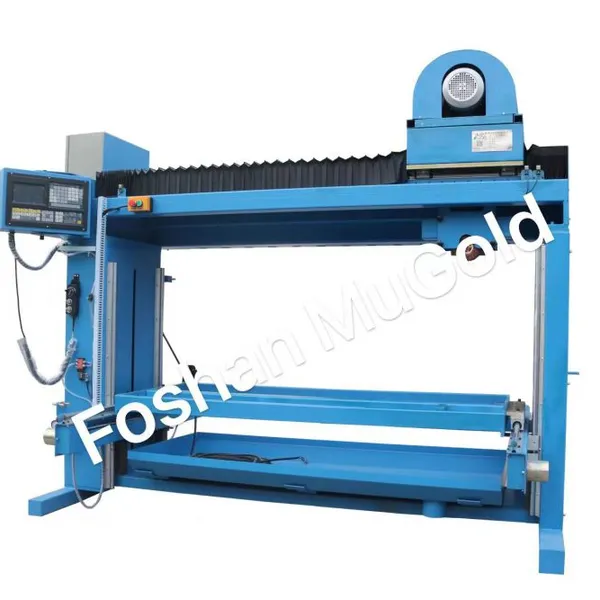
Automatic Stainless Steel Kitchen Sink Surface Polishing Machine Electrical Enclosure Surface Grinding Machine No.4 Finish Polishing MachineNegotiableMOQ: 1 Set
-
Stainless Steel 4-Axis Plane Pull Welding Machine Kitchen Sink Top and Bowl Welding Machine 90 Degree Welding Machine for Box Top and BowlNegotiableMOQ: 1 Set
-
Stainless Steel Handmade Sink Corner Punching MachineNegotiableMOQ: 1 Set
-
Stainless Steel Enclosure Grinding and Polishing Machine Two Functions Polishing MachineNegotiableMOQ: 1 Set
-
Automatic Welding of Galvanized Sheet Boxes Aluminum Box Welding Machine 90 Degree Welding MachineNegotiableMOQ: 1 Set
-
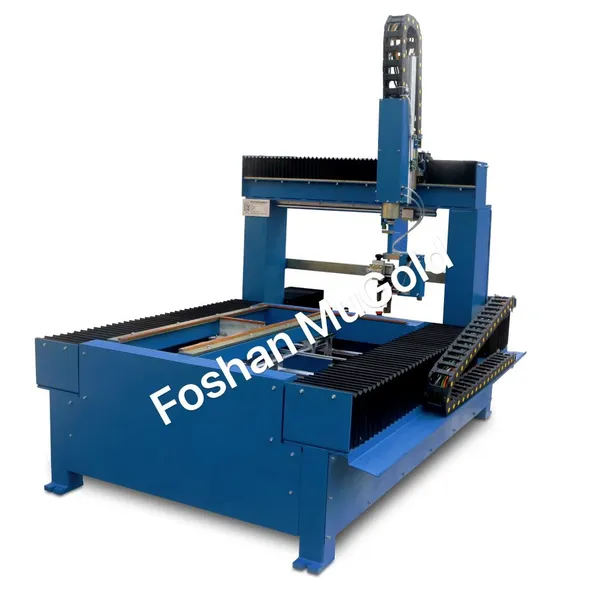
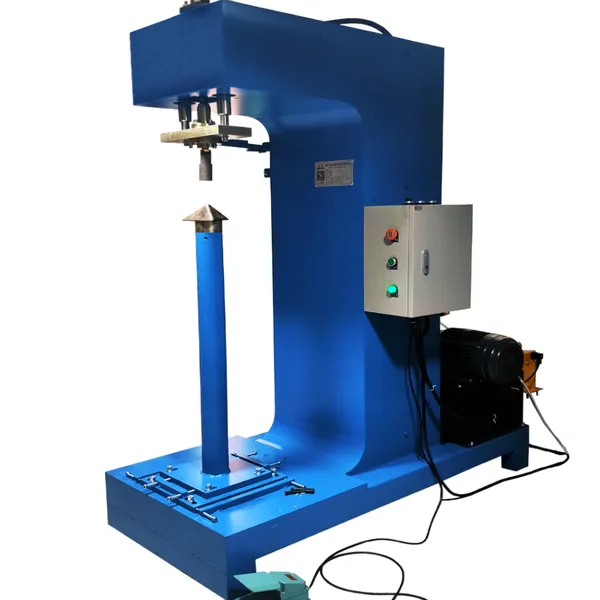
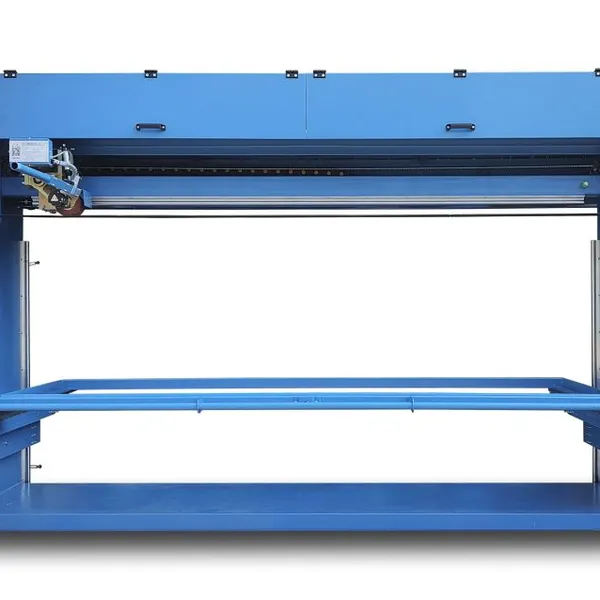
Kitchen Cabinet Surface Polishing Machine Stainless Steel Box Polishing Machine Aluminum Plates Polishing MachineNegotiableMOQ: 1 Set
-
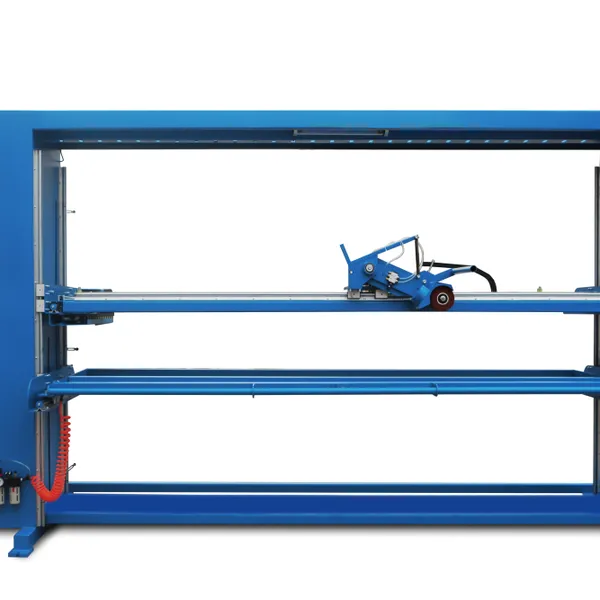
Automatic Stainless Steel Plane Drawing MachineNegotiableMOQ: 1 Set
-
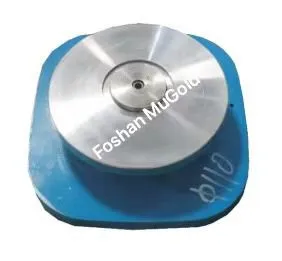
Handmade Stainless Steel Kitchen Sink Drain Hole Radius Box MoldNegotiableMOQ: 10 Sets
-
Vertical Grinding Machine for Stainless Steel Electrical Box CornerNegotiableMOQ: 1 Set
-
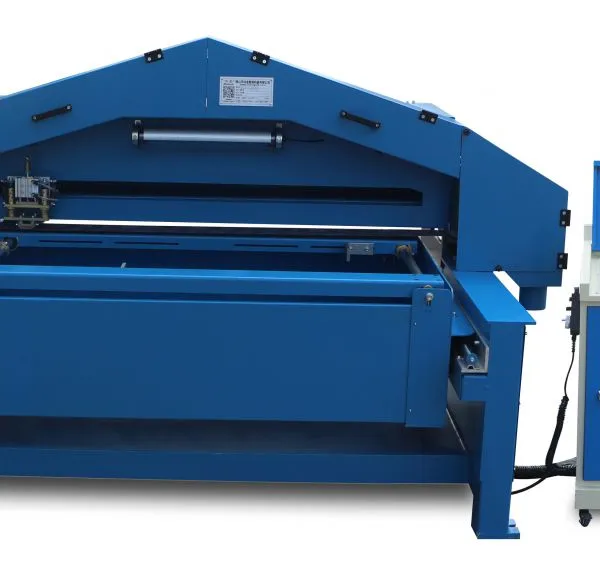
Stainless Steel Kitchen Sink Automatic Long Belt Grinding MachineNegotiableMOQ: 1 Set
-
Stainless Steel Kitchen Sink Edges Bending Machine 304 Simple Bending MachineNegotiableMOQ: 1 Set
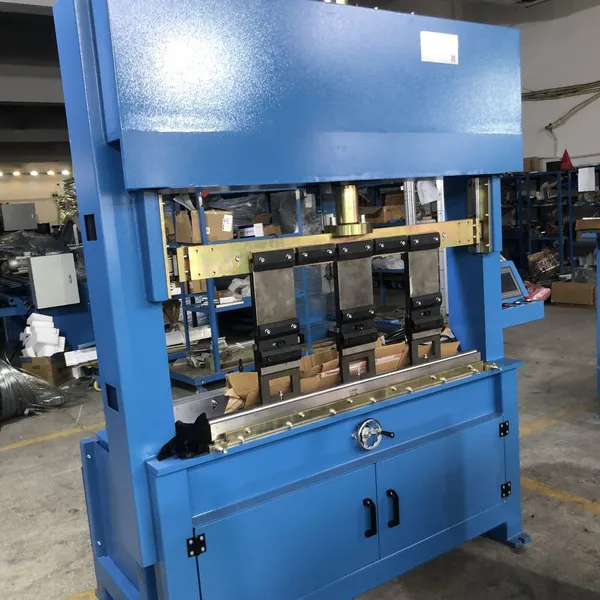
-
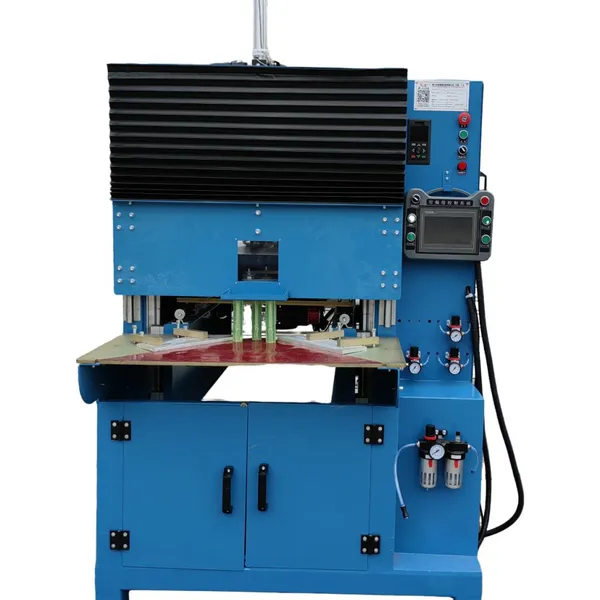
Stainless Steel Double Kitchen Sink Middle Weld Seam Rolling Machine Straight Line Rolling MachineNegotiableMOQ: 1 Set
-
Punching Machine For Stainless Steel Corner Kitchen Handmade Sink Making MachineNegotiableMOQ: 1 Set
-
PLC Control Welding Machine For Stainless Steel Square Box CornerNegotiableMOQ: 1 Set
-
Automatic Welding Machine For Stainless Steel Flower Box PlatesNegotiableMOQ: 1 Set
-
The Sheet Metal Corner Grinding Machine Stainless Steel Scale Pan Corner Grinding MachineNegotiableMOQ: 1 Set