 Business License

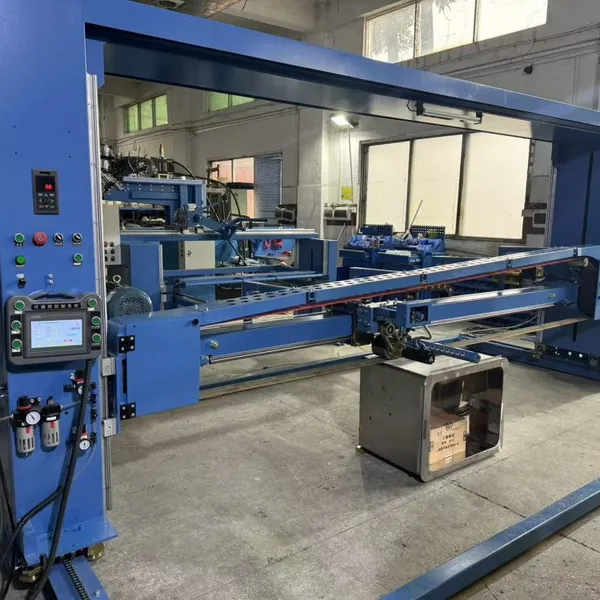
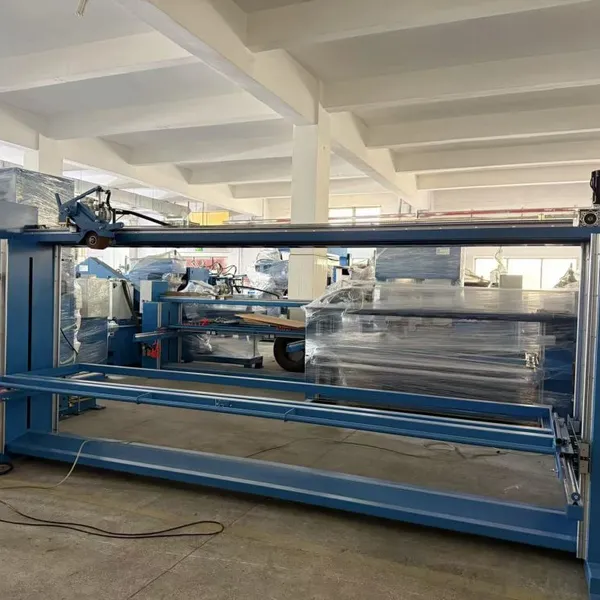
The Versatile Longitudinal Seam Welder: One Machine for Both Flat Plates and Open Cylinders
In the world of sheet metal fabrication, precision and stability are everything. Whether you are manufacturing HVAC ducting, pressure vessels, or simple flat panel enclosures, the quality of your longitudinal seam weld dictates the structural integrity of your final product.
However, switching between different geometries—like transitioning from flat sheets to open cylinders—often creates a bottleneck for many fabricators.
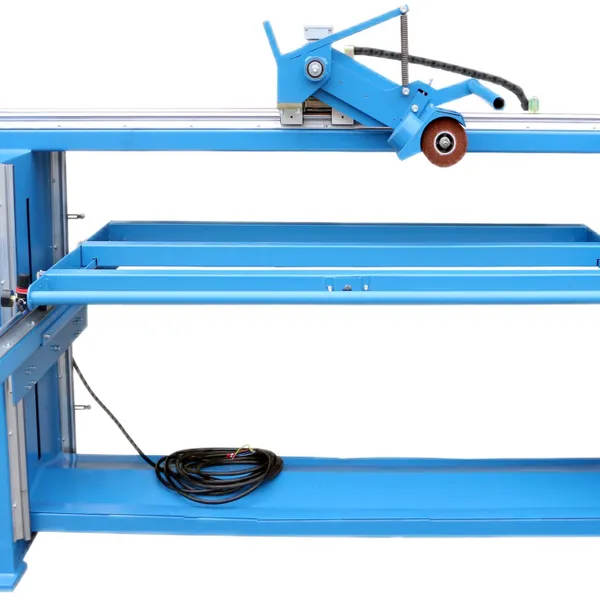
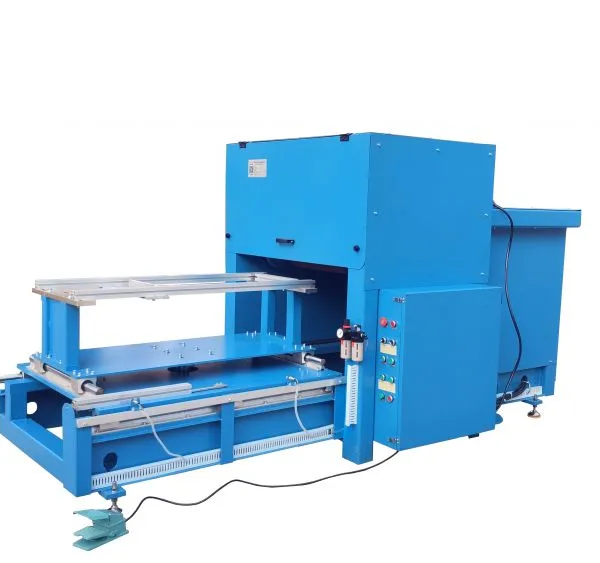
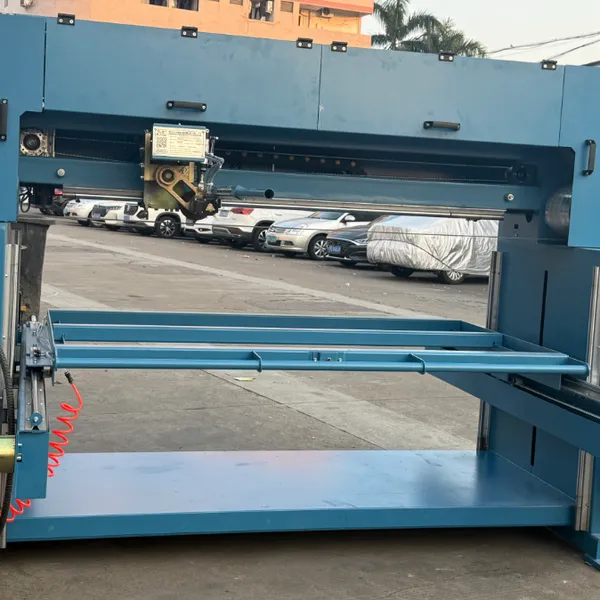
That is where the advanced Longitudinal Seam Welding Machine steps in, offering a dual-purpose solution that guarantees stability, speed, and flawless weld beads.
One Machine, Two Crucial Applications
One of the biggest advantages of this specialized seam welder is its adaptability. Instead of investing in multiple dedicated systems, fabricators can utilize a single machine to handle two primary tasks:
Flat Sheet Seam Welding: Perfectly aligns and welds two flat metal plates side-by-side without warping.
Open Cylinder Seam Welding: Secures and welds rolled sheets into specific-sized cylinders, maintaining a perfectly straight longitudinal seam from end to end.
The Secret to Flawless Welds: The Dual-Clamping Mechanism
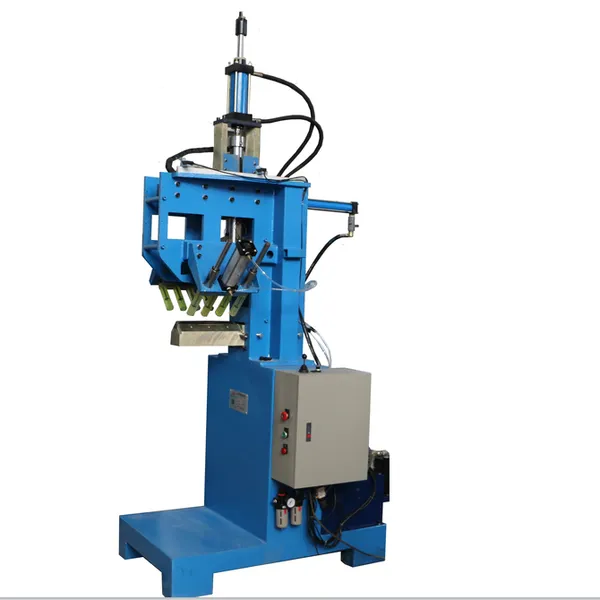
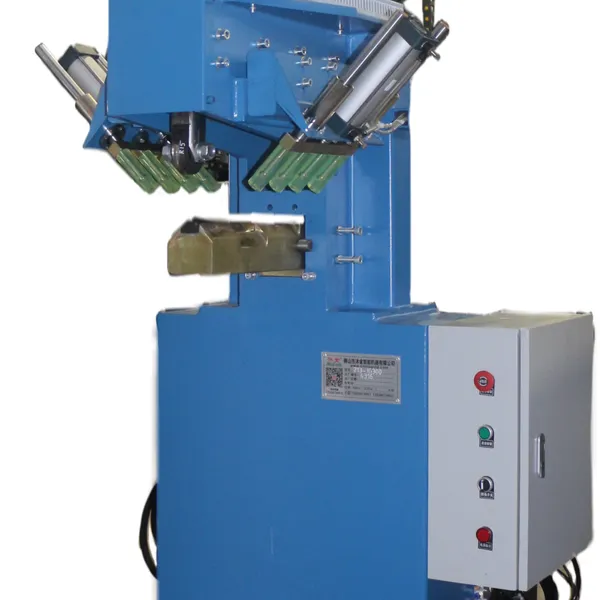
Why do manually held or poorly clamped welds fail? Distortion, heat warping, and misalignment. To combat this, our seam welder is equipped with dual heavy-duty clamping plates (pneumatic/hydraulic fingers). During the welding process, these clamps serve two critical functions:
Maximum Material Immobilization: They press down tightly on both sides of the joint, preventing the sheet metal from lifting or shifting as the welding torch moves.
Superior Heat Sinking: The clamping jaws act as a heat sink, rapidly dissipating excess heat to prevent burn-through and thermal distortion on thin gauge sheets.
By locking the plates firmly in place, the machine ensures a highly stable welding environment, resulting in a consistent, uniform, and high-quality weld bead every single time.
Key Benefits for Your Production Line
Unmatched Versatility: Seamlessly switch production from flat panels to specific-diameter cylinders.
Enhanced Efficiency: Automated torch movement paired with quick-clamping mechanisms drastically reduces cycle times compared to manual welding.
Reduced Defect Rates: Say goodbye to mismatch, warping, and uneven penetration.
Operator Friendly: Easy to set up and operate, reducing the dependency on highly skilled manual welders.
Conclusion
Investing in a high-quality longitudinal seam welding machine isn't just about buying a piece of equipment; it’s about upgrading your shop's capabilities. With its dual-clamping stability and the flexibility to handle both flat and cylindrical workpieces, this machine is the ultimate asset for modern sheet metal fabrication.
Recently Posted
-
How Handmade Stainless Steel Sinks Are Crafted: From Raw Sheet to Precision Polish
July 24, 2026When it comes to high-end residential and heavy-duty commercial kitchens, handmade stainless steel sinks stand in a class of their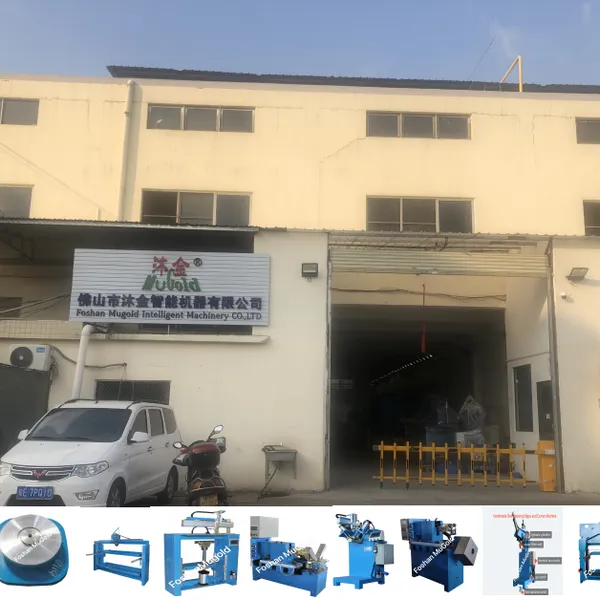 Read More
 -
Vertical vs. Horizontal Box Grinders: How to Choose the Right Setup for Your Workshop
July 18, 2026When it comes to achieving a flawless finish on fabricated boxes, enclosures, or cabinets, one size definitely does not fit all. R Read More
 -
Choosing the Right Electrical Enclosure Welding Machine: Fixture-Stabilized vs. Horizontal Flexibili
July 13, 2026When it comes to manufacturing high-quality electrical enclosures and distribution boxes, welding is a critical stage that determi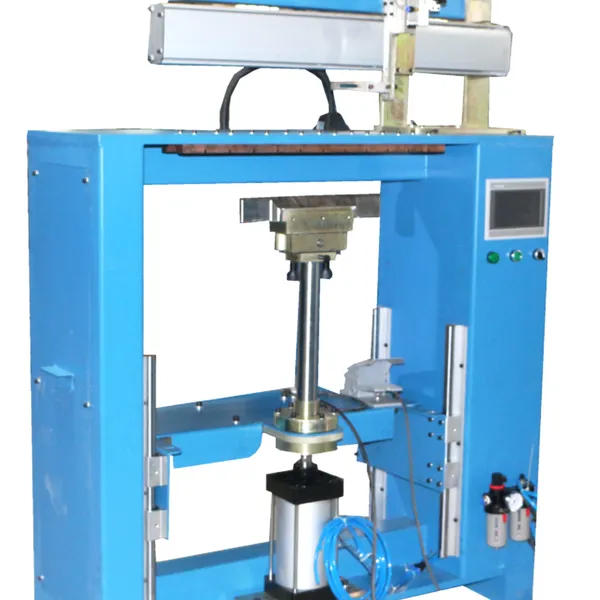 Read More
 -
Manual vs. Automatic Belt Grinding: How to Tackle Uneven Weld Seams
July 11, 2026Achieving a flawless, flat finish on welded metal surfaces is a common challenge in fabrication. While belt grinding is the go-to Read More

Contact Us
Recommended Products
-
 Stainless Steel Kitchen Hoods Surface Polishing Machine Foshan Polishing Machine ManufacturerNegotiableMOQ: 1 Set
 -
MG301 PLC Control Grinding Machine For Stainless Steel Kitchen Sink CornerNegotiableMOQ: 1 Set
-
Iron Square Pipes Polishing Machine Stainless Steel Plates Polishing MachineNegotiableMOQ: 1 Set
-
Sheet Metal Electrical Box Radius Corner Rolling MachineNegotiableMOQ: 1 Set
-
Semi-automatic Stainless Steel Square Handmade Sink Edges Bending MachineNegotiableMOQ: 1 Set
-
Laser Welding Machine for Metal Right Angel Flower Box Corners Welding MachineNegotiableMOQ: 1 Set
-
CNC Double Belt Polishing Machine For Stainless Steel Kitchen Sink PanelNegotiableMOQ: 1 Set
-
Galvanized Sheet Corner Welding Machine For Bottom Right Angle CornerNegotiableMOQ: 1 Set
-
Semi-Automatic Stainless Steel Kitchen Sink Grinding and Polishing Machine Double Function Polishing MachineNegotiableMOQ: 1 Set
-
MG377B Heavy Metal Cabinet Polishing Machine Stainless Steel Plates Polishing MachineNegotiableMOQ: 1 Set
-
Automatic Work Stainless Steel Corner Welding Machine For Electrical Box MG107NegotiableMOQ: 1 Set
-
PLC Control Stainless Steel Plates Polishing Machine Hairline Polishing Machine ManufacturerNegotiableMOQ: 1 Set
-
Automatic Stainless Steel Kitchen Cabinet Polishing Machine MG377 For Large and Heavy Products Polishing MachineNegotiableMOQ: 1 Set
-
Stainless Steel Kitchen Equipment Welding Machine For R0 Corner Drawer Box Welding MachineNegotiableMOQ: 1 Set
-
Stainless Steel Tube Grinding Machine CNC Single Belt Grinding MachineNegotiableMOQ: 1 Set
-
PLC Control Pressing Machine For Stainless Steel Homemade Sink R CornerNegotiableMOQ: 1 Set
-
Big Aluminum Plates Polishing Machine Kitchen Cabinet Polishing Machine Automatic Polishing MachineNegotiableMOQ: 1 Set
-
Semi-Automatic Stainless Steel Handmade Kitchen Sink Surface Polishing MachineNegotiableMOQ: 1 Set
-
Automatic Polishing Machine for Kitchen Plates Hairline Finish Machine for Aluminum Box Flat SurfaceNegotiableMOQ: 1 Set
-
Automatic Polishing Machine For Stainless Steel Furniture Frame Surface Metal Enclosure Polishing MachineNegotiableMOQ: 1 Set